Keloid Treatment in San Juan Capistrano, CA
Keloids are thick, raised scars that grow beyond the edges of the original wound and can be itchy, painful, and difficult to hide. They often return after simple removal, so effective treatment requires experience. At HK Dermatology in San Juan Capistrano, CA , our team uses advanced options, including tumescent steroid injections and superficial radiation therapy, to flatten keloids and reduce the chance they come back.
Request an AppointmentWhat Are Keloids?
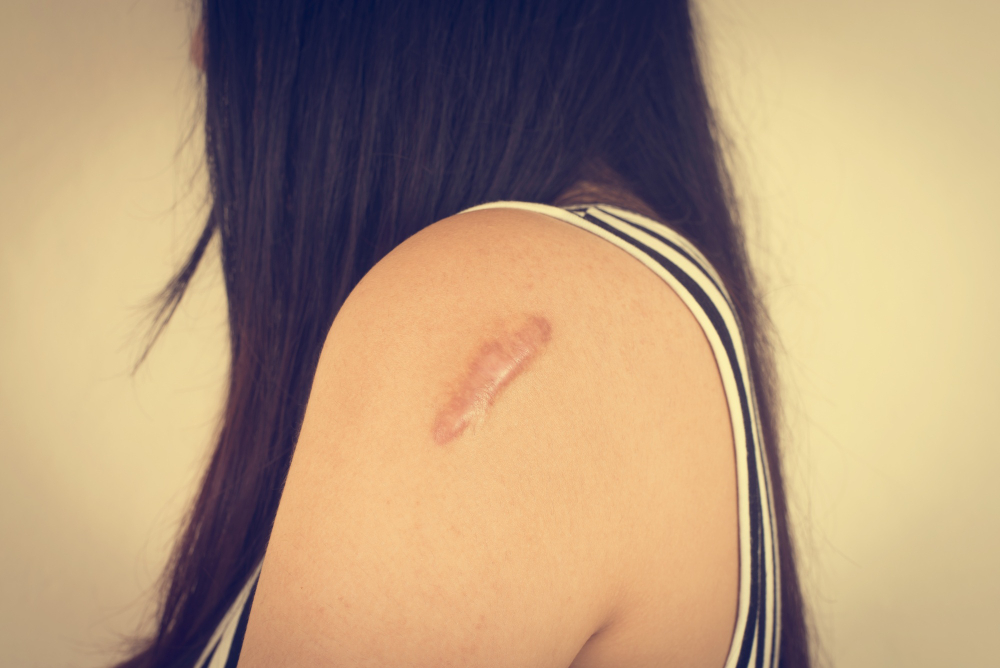
A keloid is an overgrowth of scar tissue that forms when the body produces too much collagen while healing a wound. Unlike a typical raised (hypertrophic) scar, which stays within the borders of the original injury and may flatten over time, a keloid extends beyond the wound and can continue growing for months or years. Keloids are not dangerous or cancerous, but they can be itchy, tender, painful, and emotionally distressing, especially on visible areas like the ears, face, neck, and chest.
What Causes Keloids?
Keloids can develop after almost any skin injury, including:
- Ear and body piercings
- Surgical incisions
- Cuts, burns, and scrapes
- Severe acne or chickenpox lesions
- Vaccination sites and insect bites
- Tattoos
Some keloids appear without any noticeable injury. They are more common in people with darker skin tones, in those with a family history of keloids, and in people between the ages of 10 and 30. The earlobes, chest, shoulders, and upper back are the most frequently affected areas.
Symptoms of Keloids
- A raised, firm, rubbery, or shiny scar
- Pink, red, purple, or darker color than the surrounding skin
- Growth that extends beyond the original wound
- Itching, tenderness, or a burning sensation
- Restricted movement if the keloid is near a joint
Keloid Treatment Options at HK Dermatology
Keloids are notoriously stubborn and can return after treatment, which is why our team uses proven, often combined, approaches tailored to each patient:
- Intralesional corticosteroid injections: Kenalog injections soften and flatten keloids and relieve itching. Dr. Klein uses a tumescent technique with epinephrine and lidocaine to improve comfort and results. See patient outcomes on our Kenalog keloid treatment results page.
- Surgical removal with follow-up therapy: Excising a keloid alone often leads to recurrence, so removal is combined with injections or radiation to reduce the chance of regrowth.
- Superficial radiation therapy: SRT applied after surgical removal significantly lowers keloid recurrence rates. View results on our SRT for keloid scars page.
- Cryotherapy: Freezing can help flatten smaller keloids, particularly when combined with injections.
- Silicone sheets and pressure therapy: Useful after treatment and for preventing new keloids, especially after ear piercings.
- Laser treatments: Laser therapy can reduce redness and improve the texture of keloids and other raised scars.
Preventing Keloids
If you are prone to keloids, let your provider know before any procedure. Avoid elective piercings and tattoos, treat acne early to prevent scarring, and begin silicone or pressure therapy as soon as a wound has closed. For flat or depressed scars that are not keloids, our scar removal treatments, fractional laser resurfacing, and Morpheus8 may be better options. Explore all conditions we treat or our cosmetic dermatology services.
Keloid Treatment Before & After Gallery
See results from patients treated for keloids at HK Dermatology in San Juan Capistrano, CA . Individual results vary.
Intralesional Kenalog Tumescent Epinephrine Lidocaine for Keloids
SRT Radiation Therapy for Keloid Scars
Keloid FAQs
What is the difference between a keloid and a hypertrophic scar?
A hypertrophic scar stays within the boundaries of the original wound and often improves over time. A keloid grows beyond the wound edges and usually does not regress without treatment.
Can keloids be removed permanently?
Keloids can return after treatment, but combining removal with steroid injections or superficial radiation therapy greatly reduces the risk of recurrence.
Are keloid injections painful?
Injections can cause brief discomfort. Dr. Klein uses a tumescent technique with lidocaine to make injections more comfortable for patients.
How many treatments will I need?
Most keloids require a series of injections spaced several weeks apart. Your provider will recommend a plan based on the size, location, and age of your keloid.
Can I get a keloid from an ear piercing?
Yes. Earlobe keloids from piercings are very common. If you have had a keloid before, it is best to avoid new piercings.
Is keloid treatment covered by insurance?
Coverage varies. Keloids that are painful, itchy, or restrict movement may be considered medically necessary. Contact your insurer or see our insurance page.
Should I see a dermatologist for a keloid?
Yes. Over-the-counter products rarely improve keloids, and early treatment by a dermatologist usually produces the best results.
Find Relief From Stubborn Keloid Scars
You do not have to live with painful or embarrassing keloids. Call HK Dermatology at (949) 248-1632 or request an appointment online to explore keloid treatment in San Juan Capistrano, CA .
Request an Appointment