Rosacea Treatment in San Juan Capistrano, CA
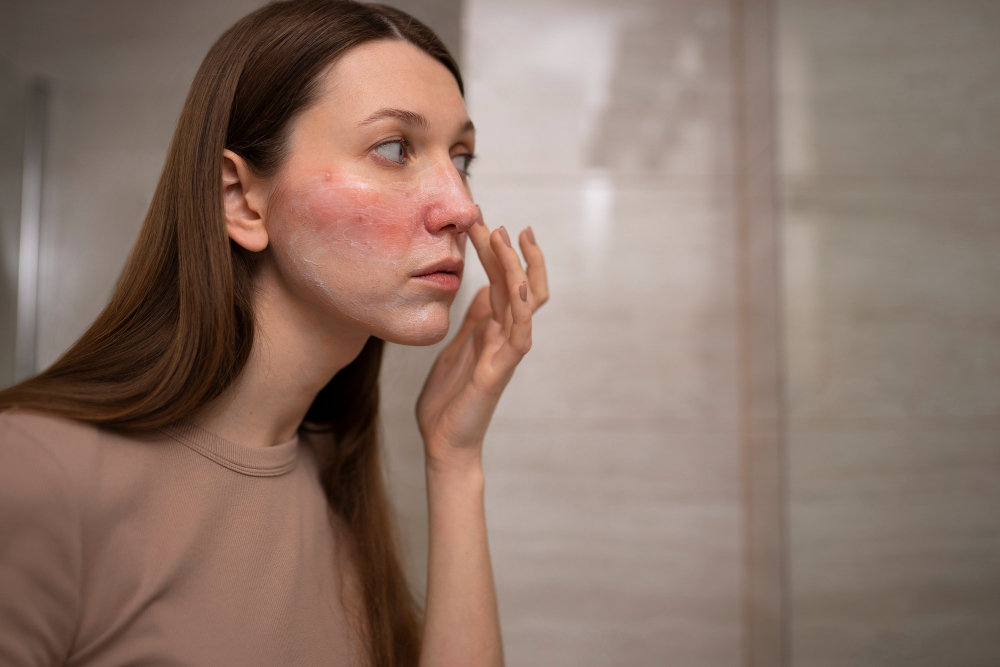
Facial redness, flushing, and acne-like bumps that never seem to go away are often signs of rosacea. This common, long-term skin condition can affect your comfort and confidence, but it responds well to the right care. At HK Dermatology in San Juan Capistrano, CA , our dermatology team diagnoses rosacea, identifies your triggers, and creates a personalized plan to calm redness and keep flare-ups under control.
Request an AppointmentWhat Is Rosacea?
Rosacea is a chronic inflammatory skin condition that primarily affects the central face, including the cheeks, nose, chin, and forehead. It most often appears in adults between 30 and 50 and is especially common in people with fair skin, although it can affect anyone. Rosacea tends to cycle through flare-ups and calmer periods, and without treatment, symptoms often become more persistent over time.
Because early rosacea can resemble acne, sunburn, or an allergic rash, many people go years without an accurate diagnosis. An evaluation at HK Dermatology helps confirm what is happening so you can start a treatment plan that actually works.
Types and Symptoms of Rosacea
Dermatologists generally describe rosacea by the features a patient experiences. Many people have more than one:
- Persistent redness and flushing: A blush-like redness across the cheeks and nose that comes and goes or stays constant.
- Visible blood vessels: Small, thin red lines (telangiectasias) on the nose and cheeks.
- Bumps and pimples: Red bumps or pus-filled pimples that look like acne but without blackheads.
- Skin thickening: In some cases, especially in men, the skin of the nose can thicken and enlarge (rhinophyma).
- Eye symptoms: Dry, irritated, or bloodshot eyes and swollen eyelids, known as ocular rosacea.
- Sensitivity: Burning, stinging, or a reaction to many skin care products.
Common Rosacea Triggers
The exact cause of rosacea is not fully understood, but genetics, an overactive immune response, blood vessel changes, and microscopic Demodex mites on the skin all appear to play a role. Flare-ups are frequently triggered by sun exposure, heat, hot beverages, spicy foods, alcohol, stress, intense exercise, wind, and certain skin care ingredients. Living in sunny South Orange County makes daily sun protection one of the most important parts of rosacea control.
How We Diagnose and Treat Rosacea
Rosacea is diagnosed through a careful skin exam and a review of your symptoms and triggers. There is no cure, but the condition can be controlled very effectively. Your provider at HK Dermatology may recommend a combination of approaches:
- Prescription topical medications such as metronidazole, azelaic acid, ivermectin, or brimonidine to reduce bumps and redness.
- Oral medications, including low-dose anti-inflammatory antibiotics, for moderate to severe flares.
- Light-based treatment: An IPL photofacial can reduce persistent redness and visible blood vessels that creams cannot fully address.
- Gentle skin care and sunscreen: We carry custom-formulated sunscreens and calming products suited to sensitive, rosacea-prone skin.
- Trigger management: Identifying and limiting your personal triggers to reduce the number and severity of flares.
Patients who also have uneven pigmentation from sun exposure may benefit from treatment for melasma or gentle chemical peels once rosacea is calm. Your provider will create a plan that balances results with the comfort of your sensitive skin.
Related Skin Conditions We Treat
Facial redness and irritation are not always rosacea. Our team also evaluates and treats eczema, psoriasis, hives, and sun-damaged skin. Explore our full list of skin conditions or our medical dermatology services, and visit our new patient page to prepare for your first appointment.
Rosacea FAQs
Is rosacea the same as acne?
No. Rosacea can cause bumps that look like acne, but it does not cause blackheads or whiteheads and is driven by inflammation and blood vessel changes rather than clogged pores. The two conditions require different treatments.
Can rosacea be cured?
There is no permanent cure for rosacea, but it can be controlled very effectively with prescription treatments, light-based therapy, and trigger management. Most patients see significant improvement in redness and breakouts.
Does IPL help rosacea?
Yes. An IPL photofacial targets visible blood vessels and persistent redness. Most patients need a series of treatments, followed by occasional maintenance sessions.
What foods trigger rosacea?
Common dietary triggers include spicy foods, hot beverages, and alcohol, especially red wine. Triggers vary from person to person, so keeping a simple diary can help you identify yours.
Can rosacea affect the eyes?
Yes. Ocular rosacea can cause dry, gritty, red, or irritated eyes and swollen eyelids. Let your provider know about eye symptoms so they can be addressed as part of your treatment.
What skin care products are best for rosacea?
Gentle, fragrance-free cleansers and moisturizers and a daily mineral sunscreen are usually best. Avoid harsh scrubs, alcohol-based toners, and products that sting. Our team can recommend options that suit sensitive skin.
When should I see a dermatologist for rosacea?
See a dermatologist if facial redness is persistent, you have bumps that don’t respond to acne products, or your eyes feel irritated. Early treatment can help keep rosacea from progressing.
Calm Your Rosacea With Expert Dermatology Care
You do not have to live with constant redness and irritation. Schedule a visit with HK Dermatology in San Juan Capistrano, CA by calling (949) 248-1632 or requesting an appointment online.
Request an Appointment